
Introduction
The role of Human Resource Management (HRM) is crucial in shaping the work environment and influencing employee satisfaction. Within the Sheraton Towers Singapore, critical deficiencies in HRM procedures have emerged, resulting in reduced employee motivation. Sheraton Towers Singapore is in the hospitality business and operates as a premium hotel. It is situated in Singapore, a nation renowned for its thriving tourism industry, with a market size of 51-200 employees (LinkedIn, no date).
Sheraton Towers Singapore is part of the broader Sheraton brand, which is owned by Marriott International, one of the world’s largest hotel firms. With approximately 13,400 square feet of prime function space, comprising 13 adaptable event venues and rooms with natural daylight, their meeting spaces are fully equipped and highly adjustable to accommodate any event size or need (Marriott, no date). Specialized conference managers will handle everything from business gatherings such as seminars, conferences, dinners, and dances to private events like baby showers, birthday parties, and prom nights. Sheraton Towers Singapore needs to take decisive action to improve its working environment to improve customer satisfaction.
Inadequate Staffing Levels and the Resulting Impact on Employee Motivation
Employee motivation at Sheraton Towers Singapore has been adversely affected by insufficient staffing levels, resulting in operational impediments and reduced guest experiences. Research shows that many hospitality workers felt dissatisfied with staffing levels, citing them as a major cause (Crozier and Atkinson, 2024). This feeling is true for Sheraton Towers, where staff are often found overworked as they try to make up for the shortage of personnel (LinkedIn, n.d.).
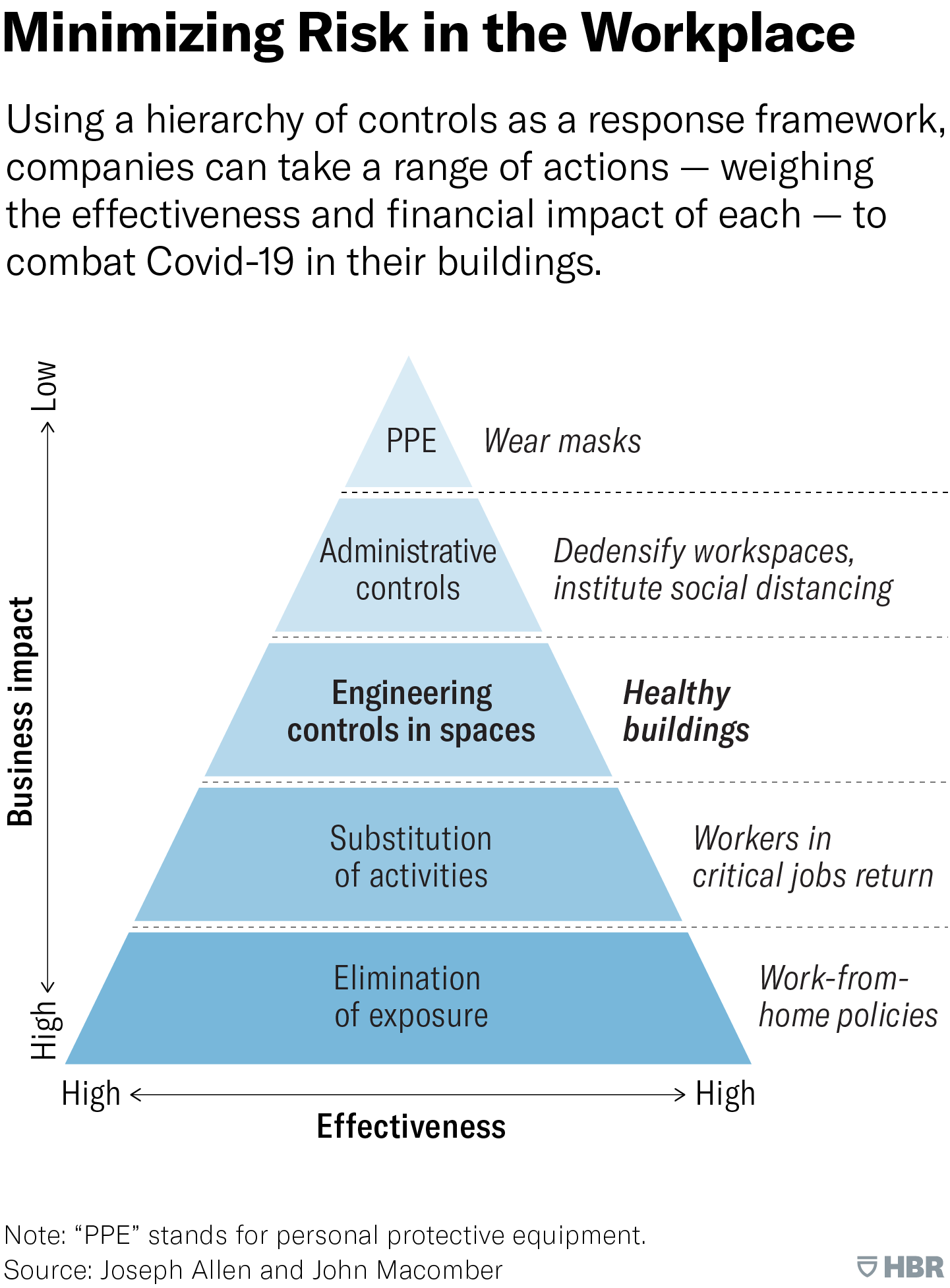
Consequently, burnout has increased, with high rates of absenteeism and turnover. Hotels are facing chronic understaffing, and as a result, customer complaints about service quality and response time have increased, which are directly tied to staffing shortages (Nunes et al., 2023; Various, 2023). As Harvard Business Review research shows in Figure 1, building a pyramid of employee needs in the hotel industry is critical to service levels. On these grounds, Sheraton Towers Singapore cannot afford to delay addressing its staffing inadequacies, not only to maintain high business morale but also to ensure seamless service delivery and remain competitive within its industry segment.
The Correlation Between the Reward System and Employee Dissatisfaction
The existing compensation system at Sheraton Towers Singapore, namely the variable bonus arrangement, is causing significant staff dissatisfaction. Workload analysis tools may help measure the distribution of tasks among employees and identify imbalances or overloads. Management can identify staffing gaps by studying factors such as task frequency, complexity, and time required to complete each task, and adjust staffing accordingly (Raluca et al., 2023).
Qualitative insights into how these factors affect morale, motivation, and job satisfaction can be gleaned from regular employee surveys and feedback mechanisms. This staff shortage is viewed differently by those who work on the front line, their supervisors, and management, who have different ideas for addressing it. This can also provide different viewpoints, such as uncovering new problems that may cause hotel service to deteriorate.
Regarding benefits and costs, investing in a reward system may help organizations recruit and retain talent. However, the expenses of establishing such systems may be high, including monetary incentives, bonuses, and administrative overhead for system management. Employees gain from obtaining concrete incentives for their efforts, which may improve their financial stability and overall quality of life (Raluca et al., 2023). The cost to workers is the possible stress and pressure to perform to fulfill the requirements for receiving rewards.
Employer’s perspective: positive consequences: a well-designed incentive system may increase job market competitiveness, reduce turnover, and foster a more engaged staff (Crozier and Atkinson, 2024). Negative consequences in this case include increased expenses without a corresponding return on investment, employee conflict, and a culture that prioritizes individual achievement over team success. Employee perspective: a successful incentive system promotes recognition, financial rewards, professional development, and personal satisfaction. If the system is perceived as unfair or insufficient, it may lead to job dissatisfaction, low morale, and perhaps higher turnover.
Adoption of the Transformative Approach
Introducing a revolutionary approach to human resource management at Sheraton Towers Singapore could yield several substantial advantages. This method would not only resolve existing employee discontent but also propel the hotel towards a more forward-thinking, environmentally friendly future. Transformational Human Resource Management might include implementing a more comprehensive and transparent compensation approach that better aligns with employee expectations, industry benchmarks, and organizational objectives (Keizer et al., 2023). Consequently, workers are likely to feel more valued and receive fair compensation for their efforts, thereby enhancing their job satisfaction and commitment to the firm.
An innovative HR strategy would also involve transitioning from the conventional hierarchical management approach to a more inclusive and participatory leadership model. This modification has the potential to foster a collective sense of purpose and cooperation, promote transparent communication, and enable staff to submit suggestions for improvement proactively. An atmosphere of this kind not only fosters creativity but also facilitates professional advancement, thereby enhancing people’s commitment and loyalty to the firm.
In addition, transformational leadership may emphasize both individual and organizational learning, fostering a culture of ongoing improvement and flexibility (Intindola and Stamper, 2023). A culture of utmost importance would be vital in an industry as ever-changing as hospitality, where consumer expectations and market trends are always fluctuating. Using a transformational HR approach may yield more creative staffing solutions, such as flexible scheduling, work sharing, and a talent pool strategy that can quickly adapt to changing staffing needs (Intindola and Stamper, 2023). This adaptability has the potential to alleviate the workload on current personnel.
Conclusion
Overall, the importance of strategic human resource management at Sheraton Towers Singapore cannot be emphasized enough. The hotel is now facing a severe issue due to an insufficient workforce, a poor incentive system, and a typical top-down management strategy. Sheraton Towers Singapore’s incentive system, like any other, is a balancing act with possible advantages, such as increased motivation and retention, as well as drawbacks, such as the risk of inequity and high costs. The system’s design and execution may have a substantial impact on both employers and workers by shaping workplace culture, satisfaction levels, and overall business performance.
Reference List
Allen, J. and Macomber, J. (2020) What makes an office building “healthy.”
Crozier, S. E. and Atkinson, C. (2024) ‘You’re only a care worker‘. Exploring the status of adult social care work through the intersection of HRM innovation and job quality’, International Journal of Human Resource Management, 35(8), pp.1–26.
Intindola, M. L. and Stamper, C. L. (2023) ‘HRM and disenfranchisement: working beyond organizational boundaries to tackle societal barriers‘, Human Resource Management Review, 33(3).
Keizer, A. et al. (2023) ‘Unions and precarious work: how power resources shape diverse strategies and outcomes’, European Journal of Industrial Relations.
LinkedIn (no date) Sheraton Towers Singapore Hotel.
Marriott (no date) Function Room Singapore.
Nunes. et al. (2023) ‘A systematic review on well-being and ill-being in working contexts: contributions of self-determination theory’, Personnel Review.
Raluca, C. et al. (2023) ‘Guest editorial: exploring happiness in the workplace as an essential theme for developing managers post-pandemic‘, Journal of Management Development, 42(6), pp.421–424.